 Skip to content
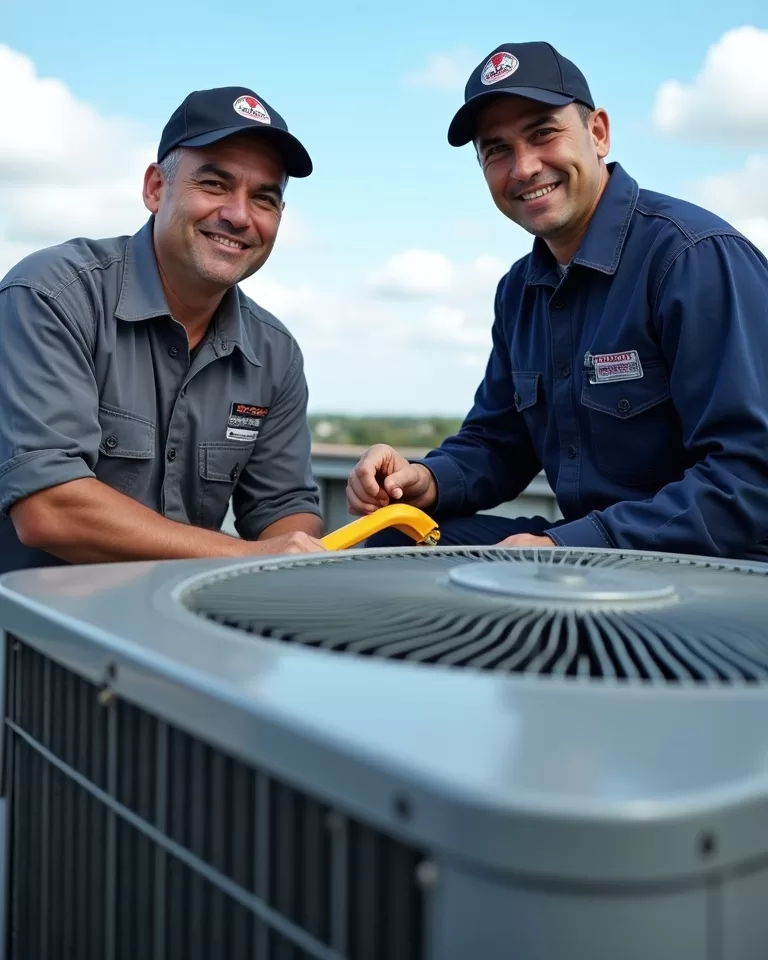
Joe is in a panic. It’s 90 degrees (and climbing), and he just realized his HVAC isn’t working. Joe is sweating and begins a frenzied Google search. He scrolls through HVAC websites, desperately trying to figure out how to know if an HVAC company is good and if they can be at his house, like, yesterday. Because honestly, Joe hasn’t given a single thought to his HVAC system until now.
As the owner of an HVAC company, you want to be the company that Joe calls (and trusts) at that moment. You want your HVAC website to stop his search cold. If your site is clear, fast, and reassuring, Joe won’t visit another one. He’ll find the information he needs, see that you’re legit, and make the call.
Let’s walk through six HVAC web design tips that help your business stand out, build trust, and turn more visitors into real customers. Because when someone’s in a crisis, your website should be the calm, capable voice that says, “We’ve got this.”
1. Build for Mobile First
Let’s go back to Joe. He’s in a rush. All he wants is sweet, sweet AC blowing through his house again. He doesn’t want to have to scroll through ads on your website or click on a bunch of different buttons to try to figure out if you’re open. A slow, clunky website could cost you his business and many others like him.
Mobile-first design isn’t just about how your site looks on a phone. It’s about usability. Your site should work with one (probably sweaty) thumb. Make sure you have:
- Fast load times
- Large, tap-friendly buttons
- Clickable phone numbers
- Minimal pop-ups and distractions
If you’re not sure your site checks these boxes, our mobile-optimized website design services focus on speed and accessibility. On mobile devices (as in life), first impressions matter.
2. Guide Visitors With Clear Calls to Action
Joe doesn’t want to “explore your company.” He wants to schedule a repair. Your calls to action (CTAs) should guide people like Joe toward a clear next step that helps them achieve their goal: a comfortable temperature thanks to a swift repair. Don’t make them scroll and scroll to try to find the form they need to fill out or your cell phone number. Use direct, action-based language like:
- “Schedule Service”
- “Request a Quote”
- “Call Now”
Place these CTAs at the top of your homepage, throughout service pages, and in sticky headers or footers so they’re always easy to find. Every CTA should lead directly to a form, a calendar, or a phone call. When your webpage only has a few inches of screen space, it’s important to make sure these buttons are still never out of reach.
If you’re not sure your CTAs are pulling their weight, this breakdown of strategic CTA placement for local businesses might give you a solid starting point.
3. Build Trust From the First Click
Hiring an HVAC company means letting a stranger into your home—trust is non-negotiable. Your website should immediately show that you’re experienced, professional, and local. That means featuring:
- Real photos of your team, trucks, and job sites (skip the stock images)
- Customer reviews and testimonials from platforms like Google or Yelp
- Certifications, such as NATE or EPA, and proof of insurance
- Service guarantees and satisfaction policies
A trustworthy website builds comfort before you ever pick up the phone. For more on how to build that kind of trust online, this Forbes guide to website credibility explains how your web design’s visuals and messaging influence customer behavior.
4. Strengthen Your HVAC Web Design’s Local SEO Strategy
Your site doesn’t need to rank nationally—unless you plan on driving hundreds of miles for individual jobs or having some pretty frustrated callers. The most important thing is that it should show up when someone searches for “AC repair near me” or “HVAC in Corpus Christi.” That’s where local SEO comes in. Some key local SEO elements include:
- Dedicated service area pages for each city or neighborhood
- Google Maps embeds on your contact or location pages
- Consistent business Name, Address, and Phone number (NAP) across all platforms
- Location-specific keywords like “AC maintenance in Flour Bluff” or “furnace repair in Portland, TX.”
If you don’t know where to start, our team specializes in local SEO optimization for home service businesses.
5. Keep the HVAC Web Design Clean and Easy to Navigate
Good HVAC web design is like a good HVAC technician: clear, reliable, and efficient. Skip the cluttered menus, flashing banners, or unnecessary animations. While creative aspects like that may be fun, they aren’t functional when your customer is stressed and in a rush. Keep things simple with:
- Clean navigation with clear labels (e.g., “Services,” “Schedule,” “Contact”)
- Streamlined layouts without information overload
- Consistent colors, fonts, and branding across all pages
If your site feels a little dated or disjointed, it might be time for a redesign. You don’t need to use every web design trend that comes across your feed, but your website should make it clear that you have an active business, not a 1990s archive. Here’s what a modern website refresh for contractors should look like in 2025.
6. Use Content That Educates and Converts in Your HVAC Web Design
Your HVAC web design should have sections that answer the exact questions your customers are typing into Google. That’s where great blog content, FAQs, and service page copy come in. Focus on content that’s going to answer questions that people like Joe are asking.
- “Why is my AC blowing warm air?”
- “Should I schedule a fall furnace tune-up?”
- “What’s the difference between central AC and ductless mini-splits?”
Content like this helps you show up in search results, reduce calls with repeat questions, and prove your expertise. Even if people searching for those answers don’t need HVAC services right now, making sure your content answers their questions can help you get noticed and stay at the front of their mind when they need help. On top of that, it’s one of the best long-term lead generators for service businesses.
When you answer questions like this quickly within each article, it can also improve your chances of showing up in alternate search results, such as voice search or featured snippets. Prioritize answering the question your article starts with in the first few lines, then expand on that answer if you need to later on in the article. That way, you can provide a quick solution for short-form search results and build authority by sharing more information for people who need a little more information.
If you’re ready to turn your expertise into traffic and conversions, our team can help you develop content marketing strategies that build trust and visibility.
Don’t Wait Until the Next Heatwave
Your HVAC website isn’t just a digital brochure—it’s often the first (and only) interaction a potential customer has with your business. If it’s not fast, clear, and confidence-building, you’re missing out.
Ask yourself: Would Joe—panicked, hot, and in a rush—call you? If not, let’s fix that. With a digital marketing agency like ItsMoose, you can get a conversion-focused web design for HVAC pros that wins leads, builds trust, and grows business. Let’s make sure your next website visitor turns into your next loyal customer.


