 Skip to content

If you’ve been wondering, “What is corporate marketing?” and how search engine optimization fits into it, you’re far from the only one. Corporate marketing covers the key strategies a company uses to promote its brand, as well as its products and/or services. But because so many consumers are shopping online, your marketing strategy is not complete without SEO. Understanding how well-rounded SEO increases visibility, credibility, and long-term growth is essential. This guide will walk you through why SEO matters and how it works in a corporate marketing plan.
Understanding Corporate Marketing and Its Role in SEO
Before diving into the “how,” it’s important to be aware of what corporate marketing is. In simple terms, corporate marketing is the approach businesses use to promote their brand’s identity, values, and what they have to offer their target market. Unlike standard product marketing, which focuses on highlighting a specific product or service, corporate marketing is broader. It aims to develop trust, establish recognition, and secure customer loyalty.
A corporate marketer typically handles tasks related to:
- Brand positioning and messaging
- Campaign planning and execution
- Market research and audience segmentation
- Overseeing cross-channel promotion, including digital and traditional channels
Because so much of brand discovery occurs online, search engine optimization has naturally become an essential part of corporate marketing. Without adequate search visibility, even the best branding efforts may fail to reach their intended audience.
Why SEO is Important for Corporate Marketing Success
Search engine optimization, when done correctly, makes your company easier to find when potential customers are searching for relevant information. For corporate marketing strategies, a solid SEO structure presents several benefits, such as:
- Increased Online Visibility: Most online experiences start with a search engine query, and if your brand isn’t showing up on the first page of results, you’re losing potential leads to competitors.
- Long-Term ROI: Paid ads can yield fast results, but SEO helps companies create a presence that continues to drive traffic even after the initial marketing investment.
- Authority and Credibility: Appearing high in search results signals to users that your business is trustworthy and reputable. According to Search Engine Journal, users are more likely to trust and click on organic results over paid ads.
- Better User Experience: Good SEO delivers fast-loading pages, mobile-friendly layouts, and valuable content that meets user needs and doesn’t waste time or mislead.
When corporate marketing focuses on its SEO efforts, it ensures the brand’s message is seen, heard, and trusted by the right audience.
Step 1: Align SEO Goals with Corporate Marketing Objectives
A corporate marketing professional needs to make sure SEO efforts support broad business objectives. For example, if the company’s marketing goal is to strengthen brand awareness in Corpus Christi, your SEO strategy might focus on local search optimization. This includes optimizing your Google Business Profile, using local keywords, and creating location-specific content.
Think of SEO as a support pillar for your brand positioning. If your company promotes innovation, your content should showcase forward-thinking insights and industry leadership. If your focus is customer service, highlight reviews, testimonials, and case studies in your web content.
Step 2: Perform Comprehensive Keyword Research
Keyword research is the foundation of an effective SEO strategy. As a corporate marketer, you need to know what your audience is searching for and how they phrase those queries. Start by identifying:
- Branded keywords (your company name and variations)
- Industry keywords related to your products or services
- Local keywords, if you’re targeting specific markets
Tools like Google Keyword Planner or SEMrush can help uncover high-value search terms. When you know your target keywords, integrate them naturally into your website pages, blog articles, and metadata.
If you’re working with a digital marketing agency like ItsMoose.com, they can help ensure your keyword targeting is precise and aligns with both search trends and your corporate objectives.
Step 3: Optimize On-Page SEO Elements
On-page SEO involves all the optimization steps you take directly on your website. For corporate marketing, this often means reviewing existing web pages to ensure they are both user-friendly and easy to search. Key elements include:
- Title Tags and Meta Descriptions: Include your target keywords naturally while clearly explaining what the page is about.
- Header Tags (H1, H2, H3): Use headers to organize content for both readers and search engines.
- Image Optimization: Compress images for faster load times and include descriptive alt text (preferably with your keyword naturally added).
- Internal Linking: Link related pages together, such as service pages or blog posts on ItsMoose.com, to help distribute page authority across your site.
Step 4: Create High-Quality, SEO-Driven Content
Content is an essential piece of any SEO plan, and corporate marketing presents a chance to highlight expertise and attract new site visitors. This could mean producing blog posts, videos, infographics, and/or case studies that answer your audience’s questions.
When planning content:
- Be sure to address common industry pain points
- Share thought leadership and unique insights
- Keep a consistent publication schedule to remain active and relevant online
Long-form articles that explore a topic in depth tend to perform well in search results. Also, while it’s important to use optimized keywords, focus on value first. If you create genuinely useful content, it’s more likely to earn backlinks from other sites than a clearly keyword-stuffed page.
For example, an article that answers, “What is corporate marketing,” in detail could not only rank for that keyword but also position your company as a source of authority in your industry.
Step 5: Build a Strong Technical SEO Foundation
Technical SEO enables search engines to crawl, index, and display websites properly. Even the best content can struggle to rank if technical issues get in the way of user experience. For a corporate marketing site, you’ll want to:
- Ensure your site is mobile-friendly
- Improve page load speeds
- Use HTTPS for security
- Fix broken links and redirect errors
- Submit an XML sitemap to search engines
If you’re not sure how to handle technical SEO and its many components, working with a professional agency can help keep your site competitive. For guidance, follow best practices for technical SEO.
Step 6: Leverage Local SEO (If Applicable)
If your company serves specific locations, local SEO is a must. This involves optimizing your site and content for search terms that include your city, region, or service area. You can:
- Create location-specific landing pages
- Add your business to local directories
- Encourage customers to leave Google reviews
For example, if you operate in Corpus Christi, use keywords like “corporate marketing services in Corpus Christi” in appropriate spots on your site. Local SEO services help connect nearby customers with your company when searching for relevant services (instead of your competitors).
Step 7: Track, Measure, and Adjust
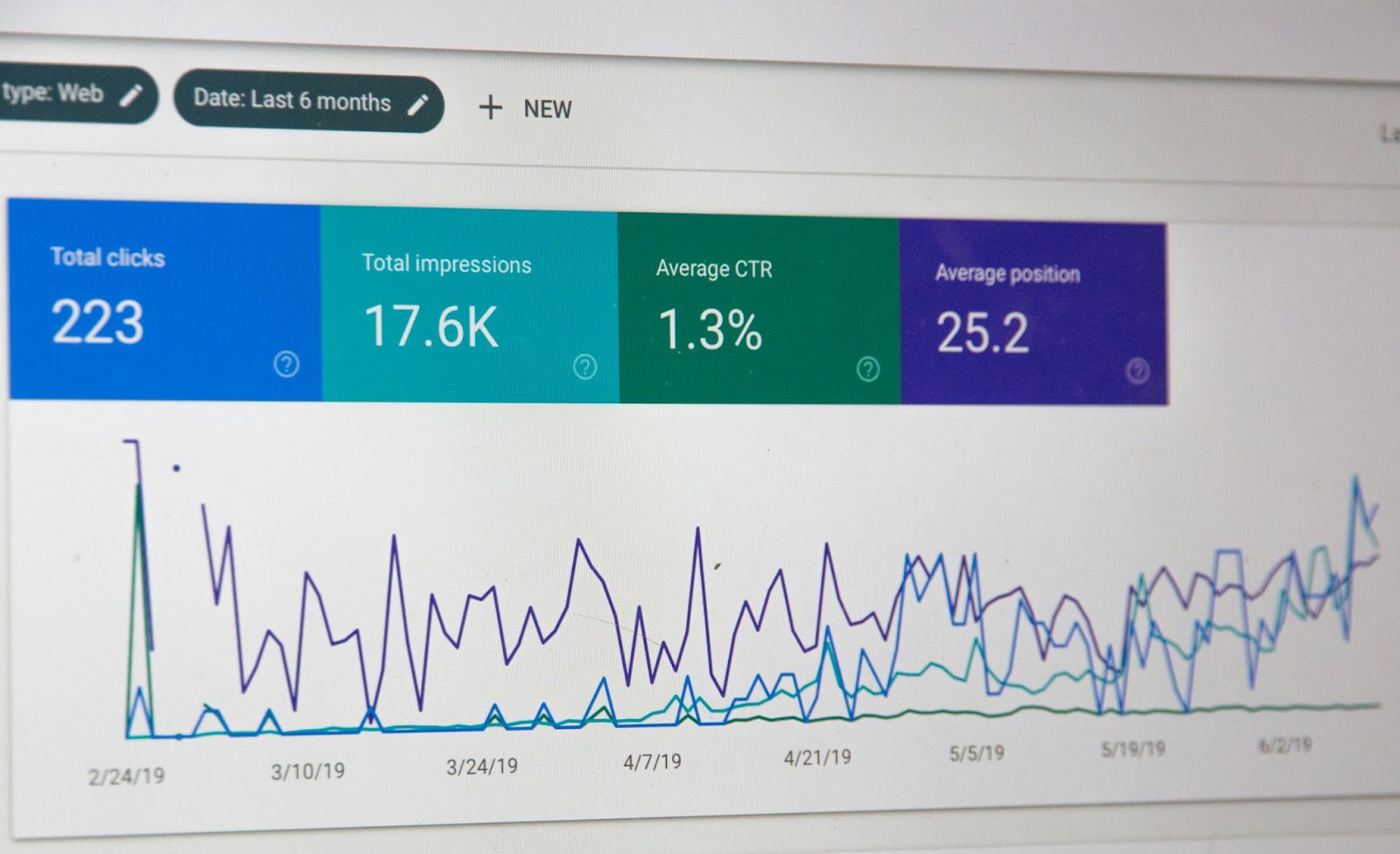
Use tools like Google Analytics and Google Search Console to keep track of your traffic, rankings, and conversions. See which keywords are attracting the most visitors, which pages are performing well, and where there’s room for improvement.
Regular reporting allows corporate marketers to quantify the ROI of SEO efforts to stakeholders. If certain tactics aren’t delivering, adjust your approach and test new strategies.
Bringing It All Together
Including SEO in your corporate marketing strategy is a necessity for visibility, credibility, and sustainable growth. By aligning SEO goals with broader marketing objectives, optimizing on-page elements, creating valuable content, and maintaining a strong technical foundation, you set your brand up for long-term success. A steady, well-executed SEO plan ensures your brand stays visible and competitive in an increasingly crowded digital space. If you want expert guidance, partnering with a digital marketing agency like ItsMoose.com can help you create and execute a strategy that works for your business.


